For vehicle owners, collision repair holds significant importance, especially following accidents that may jeopardize both the vehicle's integrity and the safety of its passengers. From minor dents to severe structural issues, identifying a reliable repair service can alleviate unnecessary stress, reduce costs, and save time. In Grande Prairie, numerous dedicated collision repair shops offer a variety of services designed to bring damaged vehicles back to their original state.
In this article, we'll delve into the intricacies of collision repair, outlining what you should anticipate and providing tips for selecting the most suitable service provider. Emphasizing the critical nature of quality and professionalism in this field, we'll also highlight how local businesses excel in delivering outstanding repair solutions read more.
Steps to Take After a Collision
- Ensure Safety: After an accident, check for injuries. If it's safe, move the vehicle out of traffic to prevent further incidents.
- Assess Damage: Take photos of the vehicle's damage and any other vehicles involved. This documentation is vital for insurance claims.
- Contact Your Insurer: Notify your insurance company about the accident. They may provide guidance on next steps and preferred repair services.
- Find a Collision Repair Shop: Research local collision repair shops in Grande Prairie, checking reviews and certifications.
- Obtain Estimates: Visit a few shops for repair estimates. Make sure they include details on the necessary repairs and parts.
- Choose and Schedule Repairs: Once you've decided on a provider, schedule your repair work. Ensure to ask about timelines and warranty coverage.
Understanding the Collision Repair Process
The journey of collision repair starts with an initial evaluation aimed at assessing the damage inflicted on the vehicle. This assessment is crucial, as it enables technicians to estimate the costs associated with the necessary repairs. In localized repair shops across Grande Prairie, various elements such as body panels, the frame, and internal components undergo thorough inspection to ensure no hidden issues are present. Following these evaluations, the repair process is executed in distinct phases.
The first step consists of removing any damaged components, which could include bumpers, panels, and even parts of the suspension system. After these components are taken out, technicians closely examine the vehicle's frame and undercarriage for hidden damages. Depending on their findings, parts may either be repaired or substituted. Experts in collision repair often recommend utilizing Original Equipment Manufacturer (OEM) parts during replacements to copyright the vehicle’s integrity and ensure warranty coverage remains intact.
Once the mechanical repairs are completed, the vehicle will typically undergo painting to restore its original color. Advanced paint matching techniques are employed to guarantee that the repair area blends seamlessly with the rest of the vehicle’s exterior. For more comprehensive insights on this topic, your research can lead you to valuable information.
Common Types of Repairs
Collision repairs include a range of services designed to address various kinds of damage. Among the most frequent repairs are dent removal, paintless dent repair, frame straightening, and structural repairs. Depending on the nature of the accident, it is also possible that you will need repairs related to airbags, electrical systems, or other mechanical issues. Gaining insight into these options will empower vehicle owners to make well-informed choices regarding their repair requirements.
Choosing the Right Collision Repair Provider
When searching for a collision repair provider in Grande Prairie, it's important to take the time to evaluate several key aspects. One of the most significant inquiries to make is whether the shop boasts certification from esteemed organizations in the auto repair sector. These certifications are a strong indicator of the provider's dedication to high-quality service and compliance with industry standards. Moreover, perusing customer reviews and testimonials can yield insightful information regarding the reputation and reliability of a collision repair facility.
Another essential factor to keep in mind is the qualifications of the technicians. Experts in collision repair should possess extensive experience with your specific vehicle make and model. Adept training and a robust background in both mechanical and cosmetic repairs are vital to ensure that your vehicle gets the highest caliber of care.
Additionally, it is critical to inquire about the warranties available on repairs. A trustworthy collision repair business in Grande Prairie should offer guarantees on both parts and labor for a satisfactory duration. This additional security can offer vehicle owners reassurance during the challenging time after an accident.
The Financial Aspects of Collision Repair
The expenses linked to collision repair can differ significantly based on the extent of damage and the kind of repair services required. Minor issues, like small dent repair or scratched surface fixes, may only cost you a few hundred dollars. On the other hand, serious damages that involve frame realignment and the need for replacement parts can result in bills amounting to thousands.
Insurance coverage is a major factor in determining your out-of-pocket expenses. Various policies might cover certain types of collision repairs while others include deductibles that the car owner must settle upfront. Consequently, it is vital to examine your insurance policy ahead of any repairs and reach out to your insurance agent if you have concerns.
Additionally, keep in mind possible future expenses. Vehicles that have been in accidents may need extra maintenance later, especially if repairs were conducted ineffectively. Selecting a reputable collision repair specialist is key to reducing these potential risks.
For more information about pricing specifics, you may wish to read up on the automotive collision repair subject.
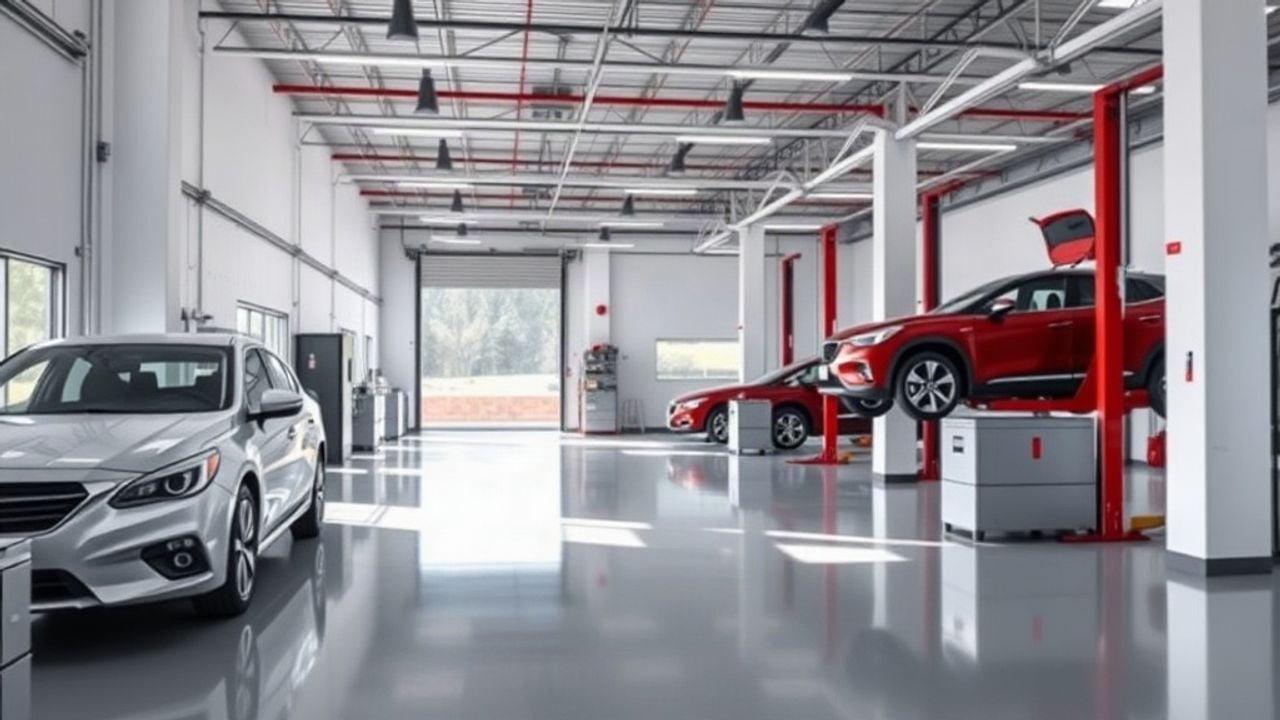 Grande Prairie Collision RepairCollision Repair
Tips for a Smooth Repair Process
Proper preparation can streamline your collision repair experience significantly. Follow these essential pieces of advice:
- Keep detailed records of all communications with your insurance company and repair shop.
- Ask questions about the repair process and seek clarification on any terms you don't understand.
- Find out if the shop uses quality parts and materials to ensure the longevity of your repairs.
- Maintain an open line of communication with the shop during repairs, especially if unexpected issues arise.
- Consider obtaining a second opinion if you feel uncertain about the first estimate you receive.
Frequently Asked Questions
What is Collision Repair?
Collision repair refers to a series of processes that involve restoring a vehicle to its pre-accident condition. The work often includes body repairs, repainting, and mechanical adjustments to ensure vehicles are safe to drive.
How do I choose a Collision Repair provider?
To select a collision repair provider, consider their certifications, customer reviews, technician expertise, and the warranties they offer on their services. These factors help ensure quality repairs.
How much does Collision Repair cost?
Collision repair costs can vary widely based on the extent of the damage and the type of repair needed. Minor repairs may cost a few hundred dollars, while major repairs could run into the thousands. Insurance coverage can also impact your out-of-pocket expenses.
Collision repair is a critical service that restores not only your vehicle's appearance but also its safety and functionality. By understanding the repair process, how to select a provider, and the potential costs, vehicle owners can make informed decisions that benefit their long-term investment.
Your vehicle deserves quality care, which is why pursuing professional services is paramount. Whether it's a minor dent or major structural repairs, ensure you trust experts in Grande Prairie to restore your automobile effectively.